The Rehman Dakait entry song “Fa9la” has taken the internet by storm, becoming one of the most viral musical moments in recent Indian cinema. This energetic Bahraini Arabic rap track accompanies Akshaye Khanna’s powerful entrance as the feared gangster Rehman Dakait in the 2025 blockbuster “Dhurandhar.” Despite its massive popularity, many fans struggle to understand what the lyrics actually mean. In this comprehensive guide, we’ll decode the complete lyrics, explain their cultural significance, and reveal why this unexpected Arabic track perfectly captures the essence of this iconic character.
The Origin of Fa9la: Rehman Dakait’s Entry Anthem
Akshaye Khanna as Rehman Dakait during his iconic entry scene in Dhurandhar
Released on June 6, 2024, “Fa9la” was originally created by Bahraini rapper Flipperachi with music by Hussam Assim and DJ Outlaw. The song wasn’t specifically composed for the film but was brilliantly repurposed by director Aditya Dhar to introduce the menacing character of Sardar Abdul Rehman Baloch, portrayed by Akshaye Khanna.
While many viewers initially assumed the song was in Balochi (given the character’s background), it’s actually performed in Gulf Arabic dialect. The title itself has caused confusion among non-Arabic speakers, with many pronouncing it as “Fa-Nine-La” due to the numerical “9” in its spelling. However, the correct pronunciation is “Fas-la” (فصلة), with the “9” representing a specific Arabic letter that doesn’t have a direct Roman alphabet equivalent.
Experience the Original Track
Listen to Flipperachi’s original “Fa9la” to hear the complete song that became Rehman Dakait’s signature anthem.
What Does “Fa9la” Actually Mean?
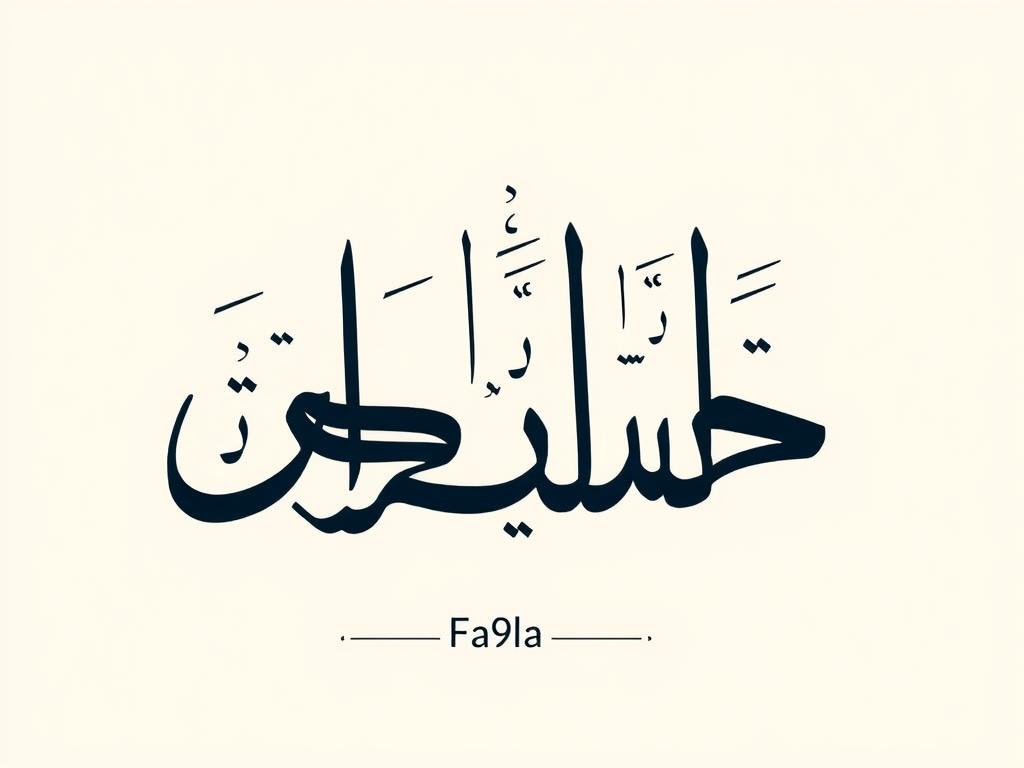
The term “Fa9la” (فصلة) in Bahraini slang refers to a mental state where someone is disconnected from conventional reality—essentially being in “the zone” or having an intense, high-energy moment. It describes someone who’s carefree, unpredictable, and operating by their own rules.
Linguistically, the word shares roots with several Arabic and Urdu terms familiar to South Asian audiences:
Related Arabic Words
- Fasl (فصل) – Season or division of time
- Fasla (فصلة) – A break or disconnection
- Fasila (فاصلة) – Comma, separator
Related Urdu Words
- Fasl (فصل) – Season, harvest time
- Faisla (فیصلہ) – Decision, judgment
- Fasila (فاصلہ) – Distance, gap
This linguistic connection brilliantly captures Rehman Dakait’s character—a man who operates outside society’s norms, makes his own decisions, and maintains distance from conventional morality. The song’s title perfectly encapsulates his unpredictable, dangerous persona.
Complete Fa9la (Rehman Dakait Entry) Lyrics with Translation
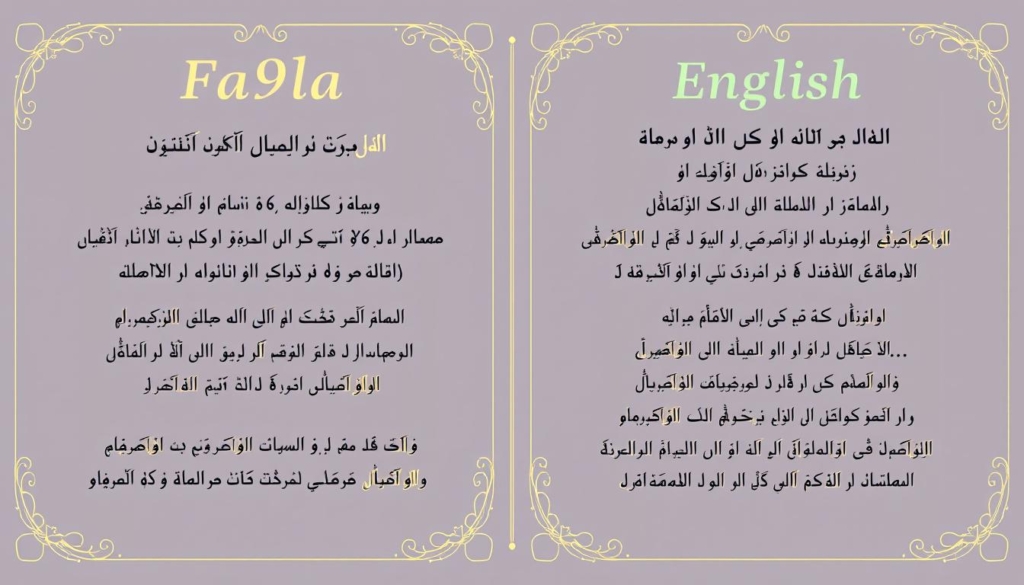
Below are the complete lyrics of the Rehman Dakait entry song with line-by-line English translation. The song’s repetitive, energetic structure perfectly matches the character’s confident swagger in the film.
| Arabic Lyrics | English Translation |
| Yeh, Eh Wallah Ah | Yeah, I swear, oh yeah. |
| Ya Akhi Doos, Doos Andi Khosh Fasla | Come on, bro, keep it going, I’m in a great zone. |
| Ya Akhi Tfooz, Tfooz Wallah Khosh Raqsa | Bro, you’re winning, you’re winning, I swear that’s a killer dance. |
| Andi Lak Raqsa Qawiya Ya Al Habib | I’ve got a strong dance move for you, man. |
| Ismaha Sabooha Khatabha Naseeb | It’s called “Sabooha got engaged to Naseeb.” |
| Mid Yadak Jannak Bitaatiha Kaff | Stick your hand out like you’re slapping the air, |
| Wa Hizz Jatfak Hail Khallak Shadeed | and shake your shoulders hard, keep the energy up. |
| Atni Raqsat Al Fareesa | Show me the “Prey” dance move. |
| Zid Alayha Shway Andi Beeza | Put a little extra into it, I’ve got some cash for you. |
The chorus “Ya Akhi Doos, Doos Andi Khosh Fasla” (Come on, bro, keep it going, I’m in a great zone) perfectly captures Rehman Dakait’s confident, carefree attitude as he enters the scene, completely in his element despite the dangerous environment.
Watch the Iconic Entry Scene
Experience Akshaye Khanna’s powerful performance as Rehman Dakait making his entrance to the beats of Fa9la.
Cultural Context: Why an Arabic Song for a Baloch Character?
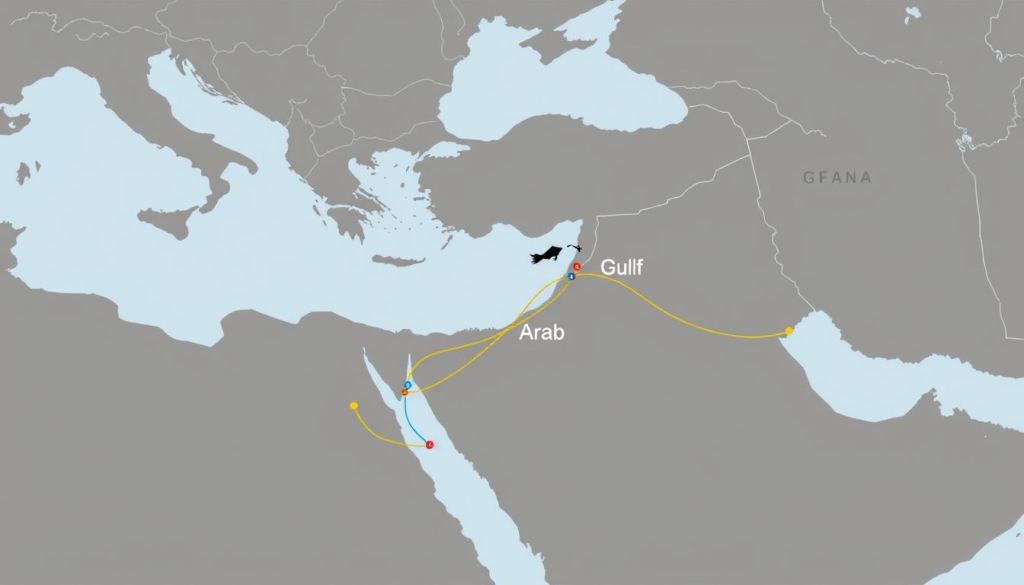
Director Aditya Dhar’s choice to use a Bahraini Arabic song for a Baloch character might seem unusual at first, but it reflects the deep historical and cultural connections between the Baloch people and Gulf Arab nations. Balochistan’s strategic location has made it a crossroads of cultures for centuries, with significant influence from Persian, Arabic, and South Asian traditions.
Historical Connections
The Baloch people have historical ties to the Arabian Peninsula, with centuries of trade, migration, and cultural exchange across the Persian Gulf.
Musical Influences
Balochi music shares elements with Gulf Arabic musical traditions, including similar rhythmic patterns and instrumental techniques.
Character Development
The use of an Arabic song emphasizes Rehman Dakait’s international connections and cosmopolitan criminal network spanning across borders.
The song’s energetic, boastful lyrics perfectly match the character’s swagger and confidence. The repeated phrase “Andi Khosh Fasla” (I’m in a great zone) reflects how Rehman Dakait operates in his own reality, disconnected from conventional morality—a man who makes his own rules.
Rehman Dakait: The Real-Life Inspiration Behind the Character
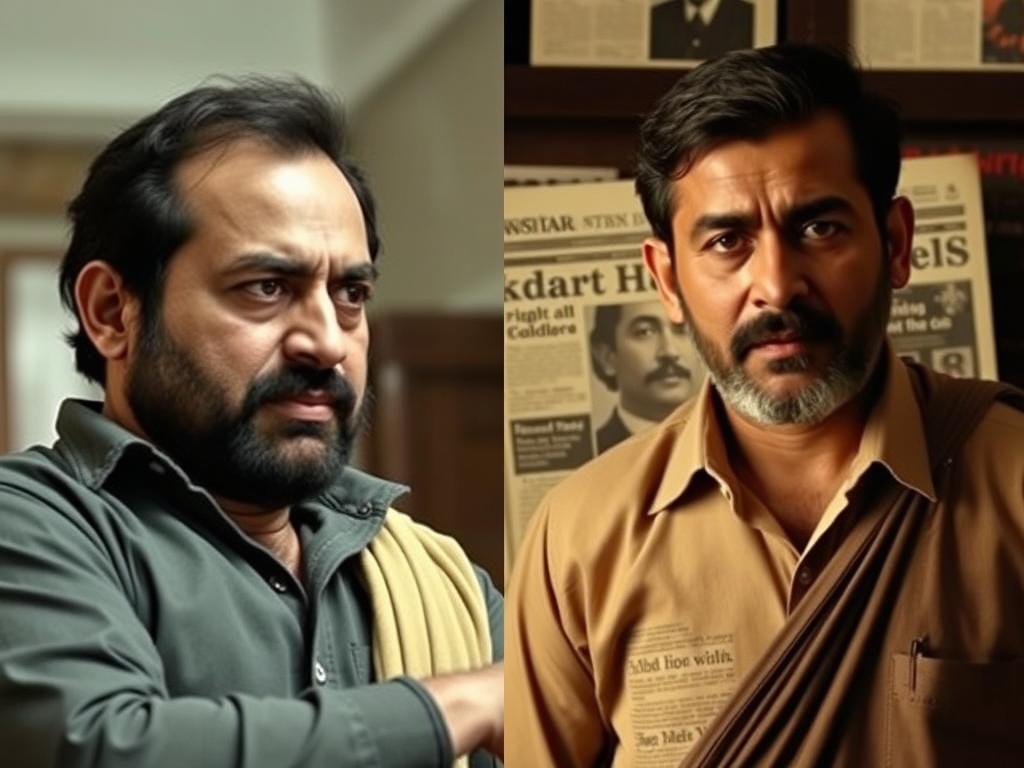
While “Dhurandhar” is a fictional film, the character of Rehman Dakait draws inspiration from real-life Pakistani gangster Abdul Rehman Baloch, who was a notorious figure in Lyari, Karachi. Known as the “Lion of Baloch,” he controlled a vast criminal empire before his death in 2009.
The film takes creative liberties with the character, but maintains several key aspects of the real figure:
- His reputation as a feared yet respected community leader
- His complex relationship with local authorities
- His distinctive style and commanding presence
- His cultural identity as a proud Baloch
Akshaye Khanna’s portrayal captures the duality of the character—ruthless yet charismatic, dangerous yet magnetic. The entry scene, accompanied by the “Fa9la” track, establishes this complexity immediately, showing a man who is completely comfortable in his power.
The song’s repeated line “Ya Akhi Tfooz, Tfooz Wallah Khosh Raqsa” (Bro, you’re winning, you’re winning, I swear that’s a killer dance) mirrors Rehman Dakait’s self-assured attitude and his perception that he’s always “winning” at his own game.
The Viral Impact of Fa9la: From Movie Scene to Cultural Phenomenon
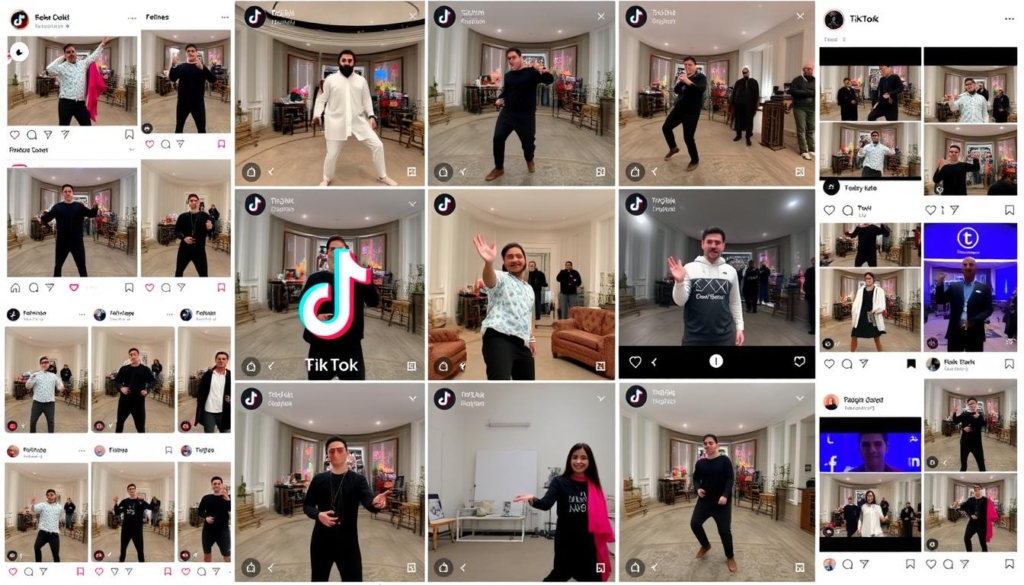
Since the release of “Dhurandhar,” the Fa9la song has transcended its role as a movie soundtrack to become a genuine cultural phenomenon. The song has sparked thousands of social media recreations, with fans mimicking Akshaye Khanna’s distinctive walk and expressions from the entry scene.
Social Media Impact
- Over 500,000 Instagram Reels using the song
- Trending hashtag #RehmanDakaitEntry with millions of views
- TikTok dance challenges recreating the iconic moves
- Memes incorporating the “Ya Akhi Doos” catchphrase
Cultural Crossover
- Increased interest in Bahraini music among Indian audiences
- Flipperachi gaining millions of new South Asian followers
- DJ remixes and mashups combining the track with Bollywood hits
- The song becoming a staple at clubs and parties across India
What makes the song’s popularity particularly interesting is how it has bridged cultural and linguistic barriers. Despite most Indian fans not understanding the Arabic lyrics, the song’s energy and the character’s powerful presence have made it universally appealing.
Join the Fa9la Trend
Create your own Rehman Dakait entry video using the official soundtrack.
Musical Analysis: What Makes the Rehman Dakait Entry Song So Catchy?
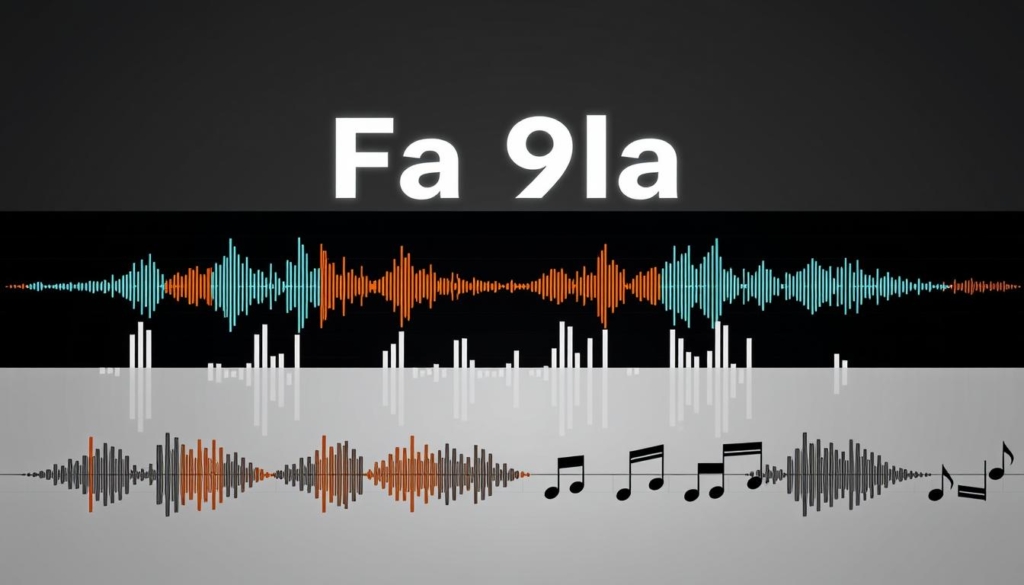
The infectious appeal of “Fa9la” can be attributed to several key musical elements that make it instantly memorable and perfectly suited for Rehman Dakait’s character introduction:
Rhythmic Structure
The song features a driving 4/4 beat with syncopated percussion that creates an immediate sense of forward momentum—mirroring Rehman Dakait’s confident stride.
Call-and-Response Pattern
The repetitive “Ya Akhi Doos, Doos” phrases function as call-and-response elements that invite audience participation and make the song easy to remember.
Distinctive Sound Design
The track blends traditional Gulf percussion with modern trap elements, creating a unique sonic signature that stands out in the Bollywood landscape.
Composer Hussam Assim and DJ Outlaw crafted a track that balances cultural authenticity with contemporary production techniques. The song’s distinctive Arabic vocal inflections and Middle Eastern melodic motifs create an exotic atmosphere that perfectly complements the character’s mysterious aura.
How to Pronounce and Sing Along to the Rehman Dakait Entry Song
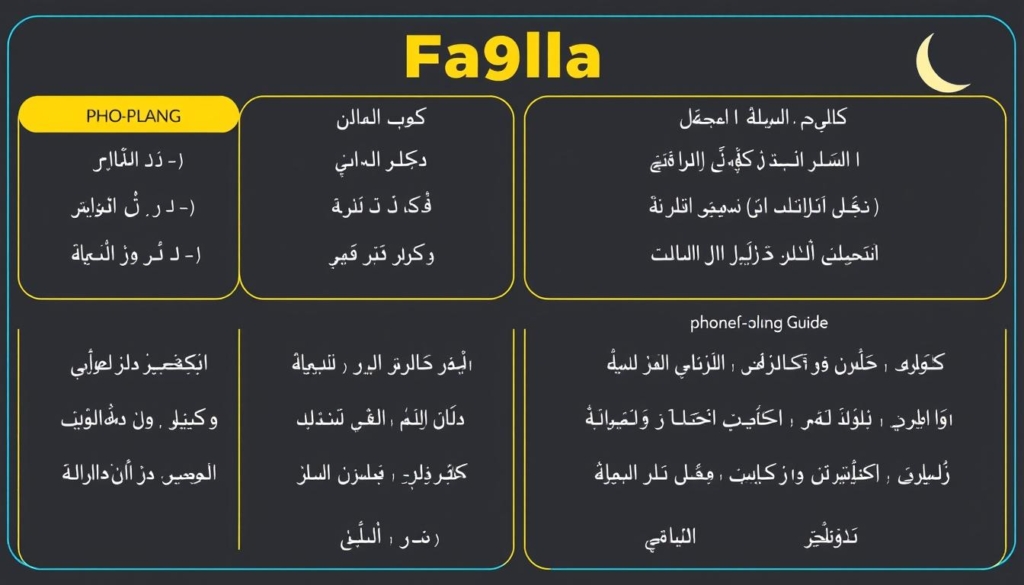
Want to join in on the Fa9la trend but struggling with the Arabic pronunciation? Here’s a simplified guide to help you nail the key phrases from the Rehman Dakait entry song:
| Arabic Phrase | How to Pronounce | Meaning |
| Ya Akhi Doos | Yah Ah-khee Dooss | Come on, bro, keep it going |
| Andi Khosh Fasla | An-dee Khosh Fas-lah | I’m in a great zone |
| Tfooz Wallah | T-fooz Wal-lah | You’re winning, I swear |
| Khosh Raqsa | Khosh Rak-sah | Killer dance |
The key to authentic pronunciation is to emphasize the throaty “kh” sound in “Khosh” and the strong “s” in “Fasla.” Practice the chorus a few times, and you’ll be singing along like a pro!
Pro Tip: When singing along to “Fa9la,” focus on matching Flipperachi’s energetic delivery rather than perfect pronunciation. The song is all about attitude and energy—just like Rehman Dakait himself!
More Songs from Dhurandhar: The Complete Soundtrack
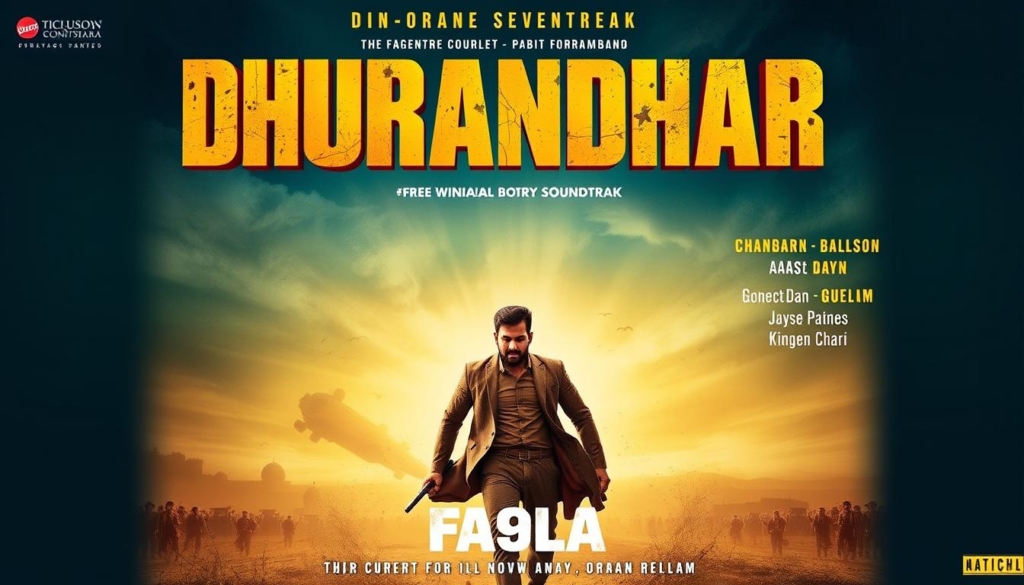
If you enjoyed the Rehman Dakait entry song, you might want to explore the complete soundtrack of “Dhurandhar,” which features a diverse range of musical styles that complement the film’s epic narrative:
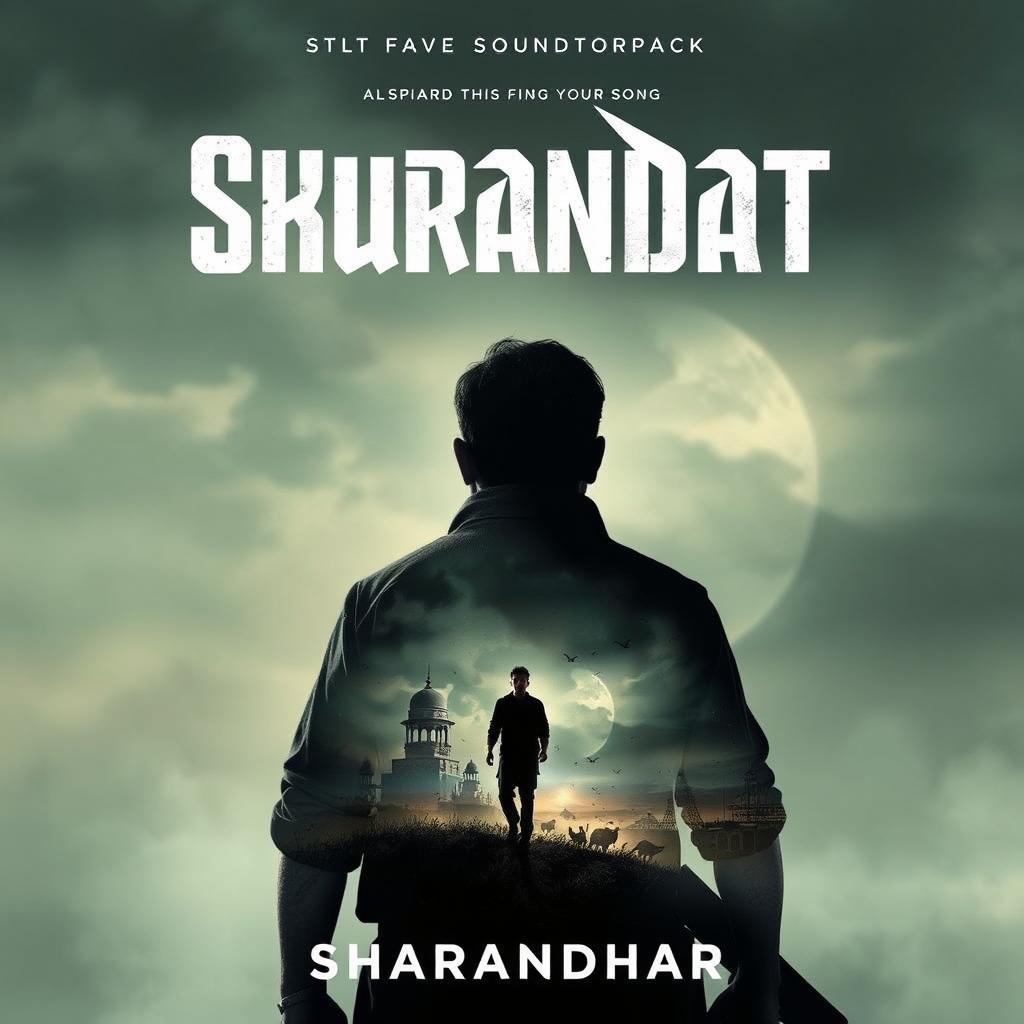
Shararat
A high-energy dance number performed by Madhubanti Bagchi and Jasmine Sandlas, featuring in a celebration sequence.
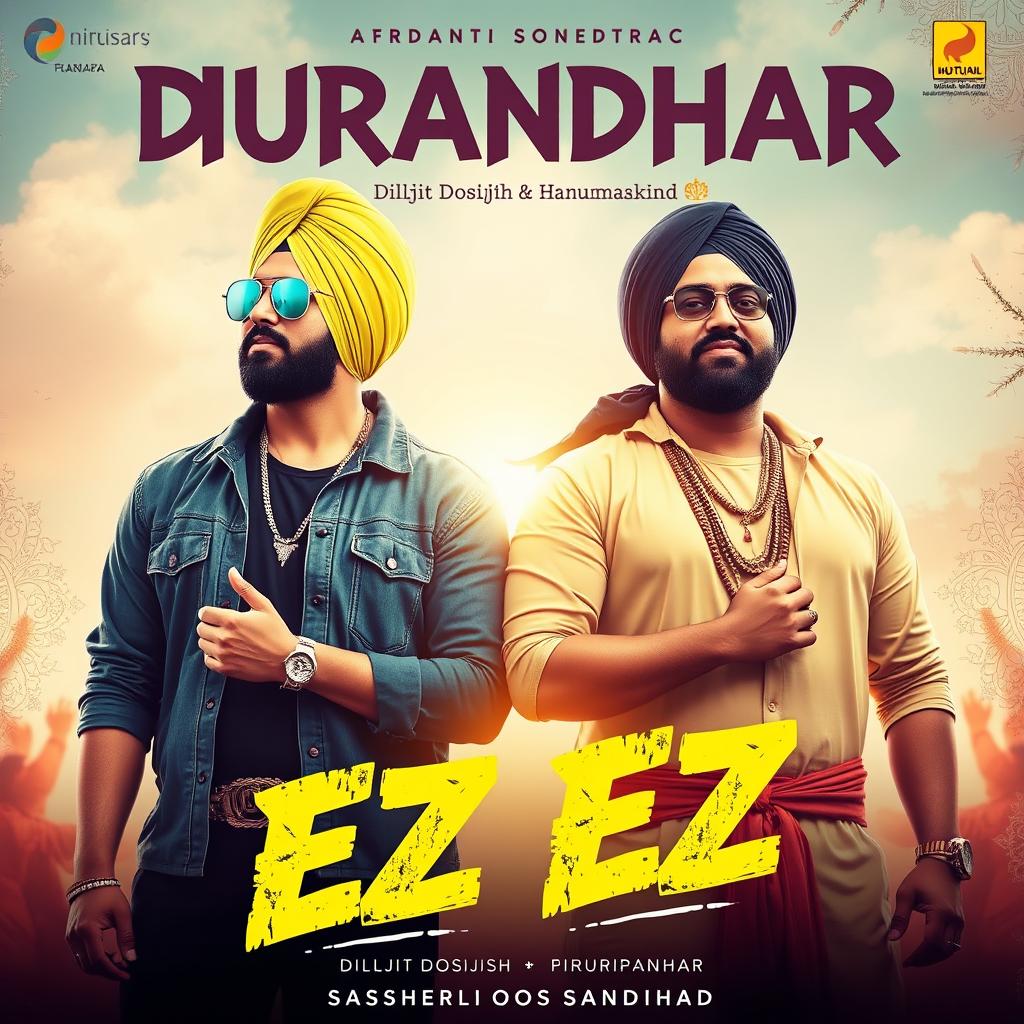
Ez Ez
A fusion track combining Punjabi and rap elements, performed by Diljit Dosanjh and Hanumankind.
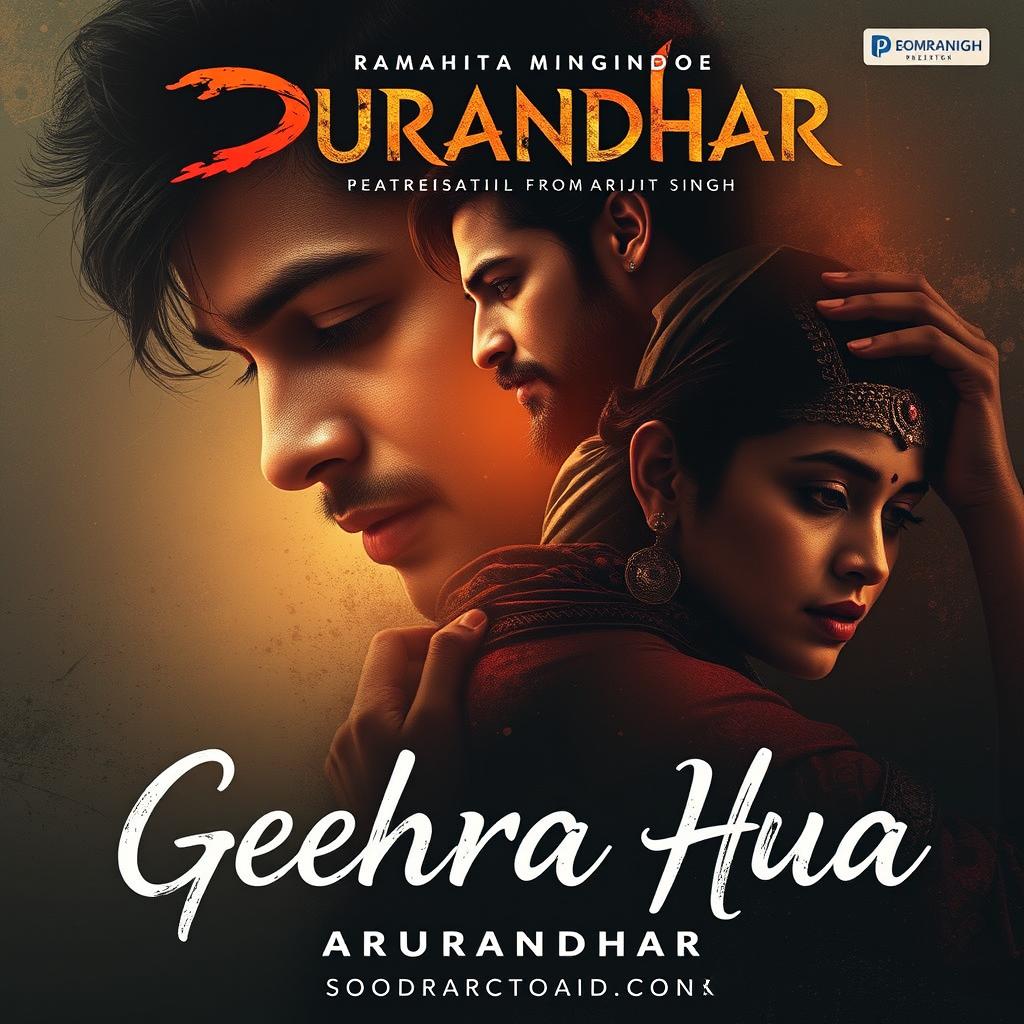
Gehra Hua
A soulful ballad by Arijit Singh that plays during the film’s emotional climax sequence.
Explore the Complete Soundtrack
Discover all the songs from Dhurandhar and add them to your playlist.
The Cultural Legacy of Rehman Dakait’s Entry Song
The Rehman Dakait entry song “Fa9la” represents a fascinating case of cross-cultural musical fusion in Indian cinema. By pairing a Bahraini Arabic track with a character inspired by a Pakistani Baloch gangster in a Hindi film, director Aditya Dhar created a memorable moment that transcends linguistic and cultural boundaries.
The song’s unexpected popularity demonstrates how music can bridge cultural divides, with audiences embracing its energy and attitude regardless of their understanding of the lyrics. It also showcases Bollywood’s evolving global sensibilities, incorporating diverse musical influences to create fresh, compelling cinematic moments.
As “Fa9la” continues to dominate social media and party playlists, it stands as a testament to the power of a perfectly matched song and character—proving that sometimes, the most unexpected musical choices create the most unforgettable cinematic moments.
What language is the Rehman Dakait entry song in?
The song “Fa9la” is performed in Gulf Arabic dialect, specifically Bahraini Arabic, not Balochi as many initially assumed. It was created by Bahraini rapper Flipperachi with music by Hussam Assim and DJ Outlaw.
What does “Fa9la” mean?
In Bahraini slang, “Fa9la” (فصلة) refers to a mental state where someone is disconnected from conventional reality—essentially being in “the zone” or having an intense, high-energy moment. It describes someone who’s carefree, unpredictable, and operating by their own rules.
Why is there a “9” in the song title?
The “9” in “Fa9la” represents the Arabic letter “ص” (Saad), which has a heavy “s” sound that doesn’t have a direct equivalent in the Roman alphabet. In Arabic online communication, numbers are often used to represent Arabic letters that don’t have direct Latin equivalents.
Stay Updated on Bollywood Music Trends
Subscribe to our newsletter for the latest analysis of viral Bollywood songs and their cultural significance.